About Us
The other arms of the Ministry are Willie Brown Pastoral Counseling located at https://www.willie-brown-pastoral-counseling.com and Brown Mental Health Coaching located at http://www.brown-mental-health-coaching.com
About Me
Welcome Saturday Radio Listeners!
Thank you for tuning in to the broadcast. Our mission is to provide you with sound Pentecostal teaching that strengthens your faith, builds your spirit, and anchors your life in God’s Word.
Because a healthy spiritual life also impacts your mind, emotions, and daily habits, this ministry extends into two specialized areas of care. If you are looking for dedicated, personal support, we invite you to explore our sister platforms:
- Need Deeper Spiritual Healing? Visit the Willie Brown Pastoral Counseling Ministry for private, faith-based emotional and spiritual guidance. [Click Here to Visit]
- Ready to Transform Your Mindset & Health? Visit Brown Mental Health Coaching for practical, faith-aligned strategies to achieve your life goals. [Click Here to Visit]
Pentecostal Theology
Pentecostal theology is an evangelical Protestant movement emphasizing the active, personal presence of God through the Holy Spirit. It merges orthodox Christian beliefs with distinct, supernatural practices, most notably the baptism of the Holy Spirit and the use of spiritual gifts like speaking in tongues.
Key Theological Frameworks
- Narrative over Creeds: Rather than formal historical creeds, Pentecostal theology is highly experiential. Its doctrine is often expressed through worship, testimonies, and the narratives of the Book of Actsrather than strictly systematic, academic texts.
- The "Lukan" Pneumatology: Pentecostal theology leans heavily on the Gospel of Luke and the Book of Acts, focusing on the empowering work of the Spirit for service, rather than just Paul's focus on the Spirit's work in internal character transformation.
- Spiritual Gifts (Charismata): Pentecostalism emphasizes the continuation of all New Testament spiritual gifts (such as prophecy, miracles, and words of wisdom) as valid and active in the modern church.
Sacraments and Ordinances
- Water Baptism: Performed by full immersion rather than sprinkling, and administered only to those who have made a conscious decision of faith (believer's baptism).
- The Lord's Supper: Generally viewed as a symbolic memorial of Christ's death rather than a literal transformation of the elements.
- Foot Washing: Practiced as an ordinance by several denominations, following Christ's example of humility.
Caregiving
- Personal & Hands-On Care: Assisting with the activities of daily living (ADLs), including bathing, dressing, grooming, eating, and mobility.
- Medical & Administrative Support: Managing medications, attending doctors' appointments, and navigating insurance companies or healthcare systems.
- Household Management: Preparing meals, handling laundry, grocery shopping, and managing finances.
- Emotional Care & Advocacy: Listening, providing comfort, and ensuring the care receiver's safety and well-being.
- Informal (Family) Caregivers: Unpaid family members, friends, or neighbors who typically take on the role out of necessity or love.
- Formal (Professional) Caregivers: Paid professionals, such as home health aides, certified nursing assistants (CNAs), or nurses.
From modest beginnings, we've grown through unwavering dedication and a commitment to continuous improvement. Each step has reinforced our core belief in the power of collaboration and the importance of integrity. We're passionate about what we do, and we're excited to share our story with you.
Non-Clinical Faith-Based Pentecostal Pastoral Counseling
Non-clinical, faith-based Pentecostal pastoral counseling focuses entirely on spiritual guidance, biblical wisdom, and the active presence of the Holy Spirit to address life's struggles. Unlike clinical therapy, it does not diagnose or treat mental illnesses, nor does it rely on secular psychological frameworks. Instead, it views the counseling process as a "trialogical" encounter involving the counselor, the care-seeker, and the Holy Spirit.
Core Framework of Pentecostal Pastoral Counseling
- Spirit-Led Discernment: The counselor relies heavily on prayer and spiritual gifts (such as wisdom or discernment) to understand the root of a struggle.
- Scriptural Authority: The Bible serves as the primary source of truth, offering practical guidance for daily life, family dynamics, and overcoming personal trials.
- Inner Healing & Deliverance: Sessions often incorporate direct prayer for emotional healing, forgiveness, and freedom from spiritual strongholds.
- Hope & Restoration: The ultimate goal is to restore a person's relationship with God, building spiritual resilience for the journey ahead.
Biblical Human Flourishing
Biblical human flourishing—often described in the Old Testament as shalom—is a state of holistic wholeness, purpose, and peace achieved through a right relationship with God, oneself, neighbors, and creation. It centers on living out the design for which humanity was created.
The Bible outlines a distinct, multidimensional framework for true human flourishing:
- Relationship with God: Authentic flourishing begins outside of oneself, finding ultimate purpose and peace in knowing and glorifying the Creator.
- Wholeness (Shalom): In Hebrew, shalom is more than the absence of conflict; it signifies universal flourishing, complete well-being, integrity, and righteousness.
- Image-Bearing (Imago Dei): Humans are uniquely created to reflect God’s character in the world, which involves cultivating the earth, doing meaningful work, and serving others.
- Fruitfulness: The New Testament emphasizes "bearing fruit"—such as love, joy, and peace—through spiritual maturity and active participation in God's mission rather than self-absorbed material gain.
- Community & Justice: Flourishing is not individualistic but outward-focused. It relies on community structures like family and the church, while actively seeking the welfare of one's neighbors.
The narrative arc of Scripture also recognizes that sin disrupts this flourishing. However, it offers a redemptive path where Christ’s teachings and grace allow believers to pursue the abundant life God originally intended.
Trauma-Informed Pastoral Care
Trauma-informed pastoral care shifts the ministry approach from asking "What is wrong with you?" to "What happened to you?" It blends spiritual leadership with psychological awareness to support individuals who have experienced severe distress, ensuring the church is a space of healing rather than re-traumatization.
Core Principles
- Establish Safety: Prioritize physical, emotional, and spiritual safety in every interaction.
- Build Trust: Maintain clear boundaries, consistency, and absolute predictability.
- Offer Choice: Avoid demands; use invitational language so individuals retain control.
- Collaborate: Share power in the pastoral relationship instead of dictating spiritual fixes.
- Empowerment: Focus on validating strengths and fostering resilience.
Practical Ministry Shifts
- Language: Replace "You must forgive" with "Where is God in your pain?"
- Worship: Give advance notice for loud noises, dark rooms, or intense interactive rituals.
- Hospitality: Train greeters to respect personal space and avoid forced physical contact like hugs.
- Deliverance/Prayer: Ensure prayer ministry is never coercive, loud, or physically restraining.
Boundaries and Referrals
- Know Limits: Pastoral care is spiritual support, not licensed psychological therapy.
- Refer Early: Build a network of trauma-trained mental health professionals.
- Dual Care: Walk alongside the person spiritually while they see a therapist.
- Prevent Burnout: Practice strict self-care to avoid secondary traumatic stress.
Our story
Spirit-Filled Formation
Spirit-filled formation is the intentional process of cooperating with the Holy Spirit to be radically transformed into the image of Jesus Christ. While traditional spiritual formation focuses on structured habits and moral character, a "Spirit-filled" or Pentecostal/Charismatic approach emphasizes the active, supernatural presence and immediate empowerment of the Holy Spirit as the primary agent of change. [1, 2, 3, 4, 5, 6]
Rather than relying purely on human willpower or self-discipline, this framework treats spiritual growth as a dynamic, interactive partnership with a living God. [1, 5]
Core Dimensions of Spirit-Filled Formation
- The Baptism in the Holy Spirit: Viewed not just as a one-time event, but as an ongoing gateway to a life of divine empowerment, spiritual intimacy, and bold witness.
- Active Use of Spiritual Gifts: Formation occurs as individuals learn to hear God's voice, exercise the charismata(e.g., prophecy, tongues, healing, discernment), and minister to others in supernatural power.
- Yieldedness and Surrender: The central posture is yielding to the promptings of the Spirit, allowing Him to reshape motivations, heal deep emotional wounds, and break spiritual strongholds.
- Experiential Theology: Scripture reading, worship, and community life are approached with the expectation of an immediate, felt encounter with God's presence.
Rhythms and Spiritual Disciplines
In his foundational work Living the Spirit-Formed Life, renowned Pentecostal leader Jack Hayford outlines core principles that guide a Spirit-filled believer's development:
- Praying in the Spirit: Utilizing both conversational prayer and prayer languages (tongues) to build deep, direct intimacy with God.
- Spiritual Warfare and Deliverance: Actively using scriptural authority and prayer to resist demonic influence and break destructive multi-generational behavioral cycles.
- Fasting for Spiritual Breakthrough: Subjugating physical desires through intentional fasting to increase sensitivity to the Holy Spirit’s direction.
- Cultivating the Fruit of the Spirit: Balancing the gifts of power with the inner fruit of love, joy, peace, and self-control to ensure mature Christian character.
Application in Lay and Pastoral Counseling
When applied to non-clinical pastoral care, spirit-filled formation completely changes the counseling dynamic:
- The "Trialogical" Meeting: The counseling room is occupied by three entities—the counselor, the care-seeker, and the Holy Spirit, who acts as the "Comforter" and true Counselor.
- Supernatural Insight over Diagnosis: Pastors and lay ministers rely on the Holy Spirit to reveal the hidden roots of anxiety, trauma, or relational conflict, bypassed by standard psychological diagnostic tools. We do not dismiss psychological insights but the scriptures are our foundations.
- A Journey, Not a Fix: The ultimate goal is never just symptom management; it is guiding a person into an ongoing, daily lifestyle of being led and filled by the Spirit.
CORE TEACHING AREAS
🔥 The Holy Spirit & Human Flourishing
- Baptism of the Holy Spirit
- Spirit-formed living
- emotional and spiritual wholeness
🧠 Faith & Mental Health
- caregivers
- emotional resilience
- trauma-informed support
🤝 Healing & Forgiveness
- reconciliation
- boundaries
- healing from wounds
🛡️ Spiritual Warfare & Discernment
- staying grounded
- resisting fear/despair
- wisdom and spiritual stability
From modest beginnings, we've grown through unwavering dedication and a commitment to continuous improvement. Each step has reinforced our core belief in the power of collaboration and the importance of integrity. We're passionate about what we do, and we're excited to share our story with you.
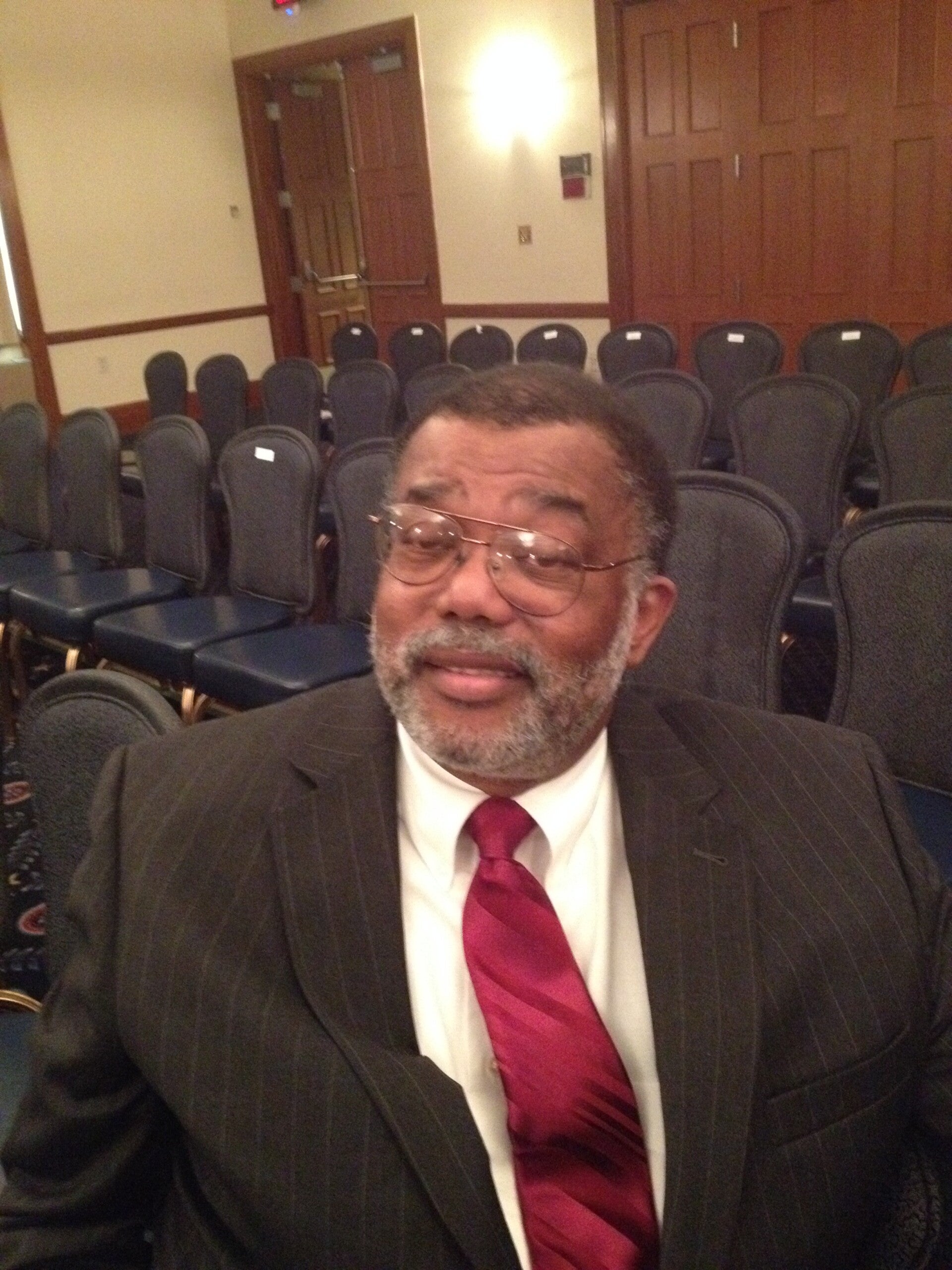
About Reverend Willie Brown
Inspired by his background as a former Pentecostal pastor and a dedicated community advocate with the National Alliance on Mental Illness in Maryland, radio teacher, Pentecostal Fellowship Leader, Reverend Willie Brown established this ministry. His vision is to address the spiritual needs of individuals by combining profound spiritual guidance with practical teaching, creating a space for growth and understanding.
Our story
Education:
A.A General Studies
Bachelor of Science Information System Management
One year Ministerial Internship Program
Master's of Ministry Biblical Counseling
Certificate Biblical Counseling/Psychology (American Association of Christian Counselors)
Certification:
Board Certification Master Mental Health Coach
Certified Trauma-Informed Coach
Certified Human Flourishing Coach
Master Certificate in Information Project Management
Other: Most past association
Pentecostal Fellowship Leader
Pastor and Associate Pastor
Director of Biblical Counseling, Echos from the Street Ministry
NAMI Maryland veteran representative to NAMI National Veteran and Family Council
Board Member NAMI Prince George County of Directors
Member of NAMI Southern Maryland Steering Committee
Mental Health First Aid
Nationa Alliance on Mental Illness FSG Facilitator
Professional Life Coach
Master Life Coach
Christian Life Coach
Present Day Bible teacher 4th Saturday on WYCB, 1340 AM for Blessed Word of Life Ministries International radio program

Workshops and seminars
Beyond our foundational teachings, we offer enriching workshops and seminars designed to foster spiritual development. These include in-depth sessions on the Baptism of the Holy Spirit, understanding the Gifts of the Holy Spirit, cultivating the Fruits of the Holy Spirit, and exploring its relationship to Biblical Human Flourishing. Join us for engaging discussions and practical insights.
"For those who hunger and thirst for more of God, this ministry offers a profound spiritual wellspring."
Willie Brown Pentecostal Ministries